-
Nov 24, 2025
Hockey Town to Campus Ice: How Eskasoni is Helping Power Capers’ Hockey
When Amira Paul thinks about home, she hears the sound of skates and sticks during ‘girls’ ice time’ at Dan K. Stevens Memorial Arena in Eskasoni First Nation, a community known for its passion for hockey.
“Growing up, girls’ ice time was something I always looked forward to every week,” the second-year CBU Nursing student and CAPERS women’s hockey player says. “That’s where I learned a lot about hockey and made a lot of my friends. Most of the time, I was either scrimmaging with the older girls or just skating around, shooting pucks. To this day, I still go to those girls’ ice times; they’re still something I look forward to every week.”
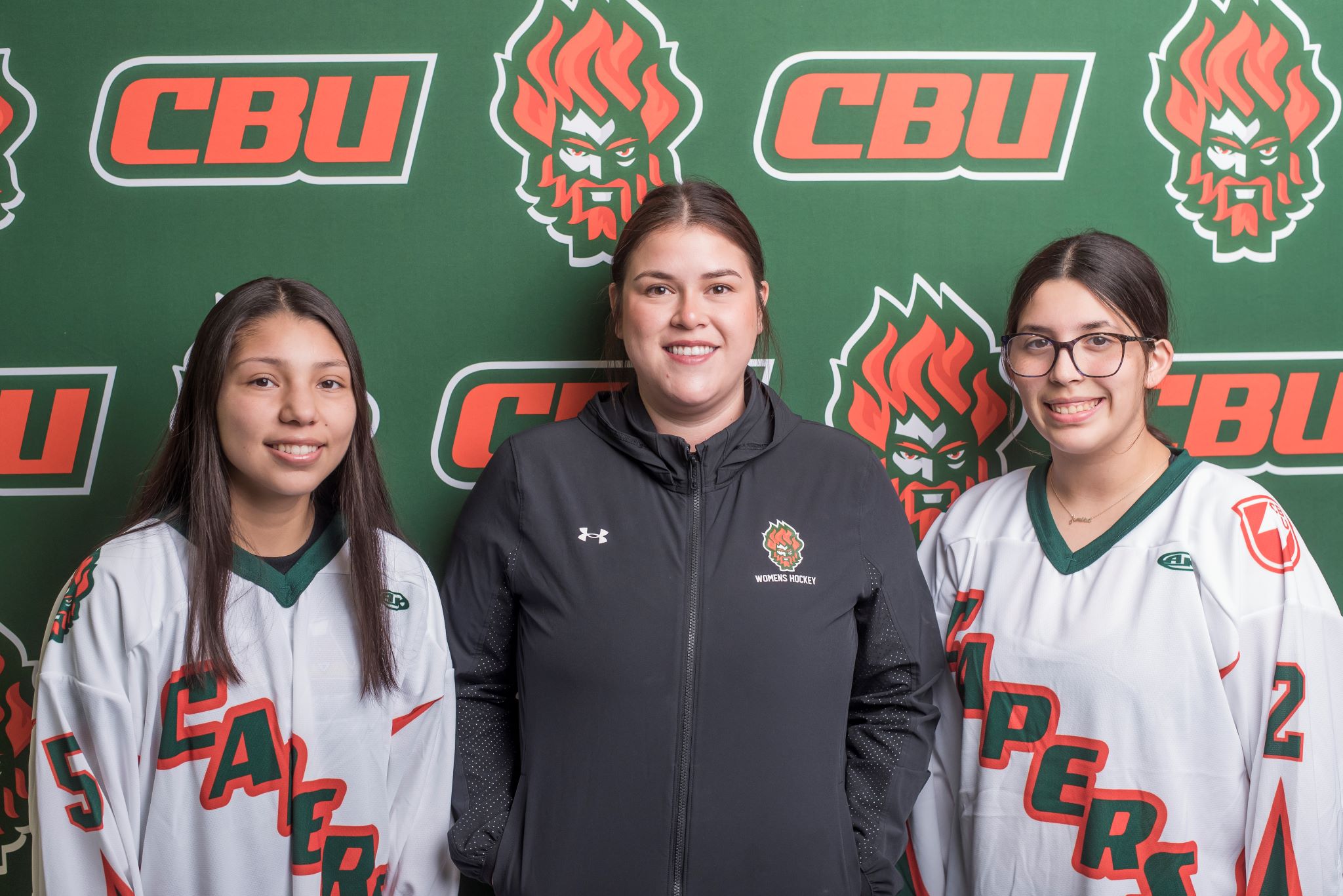
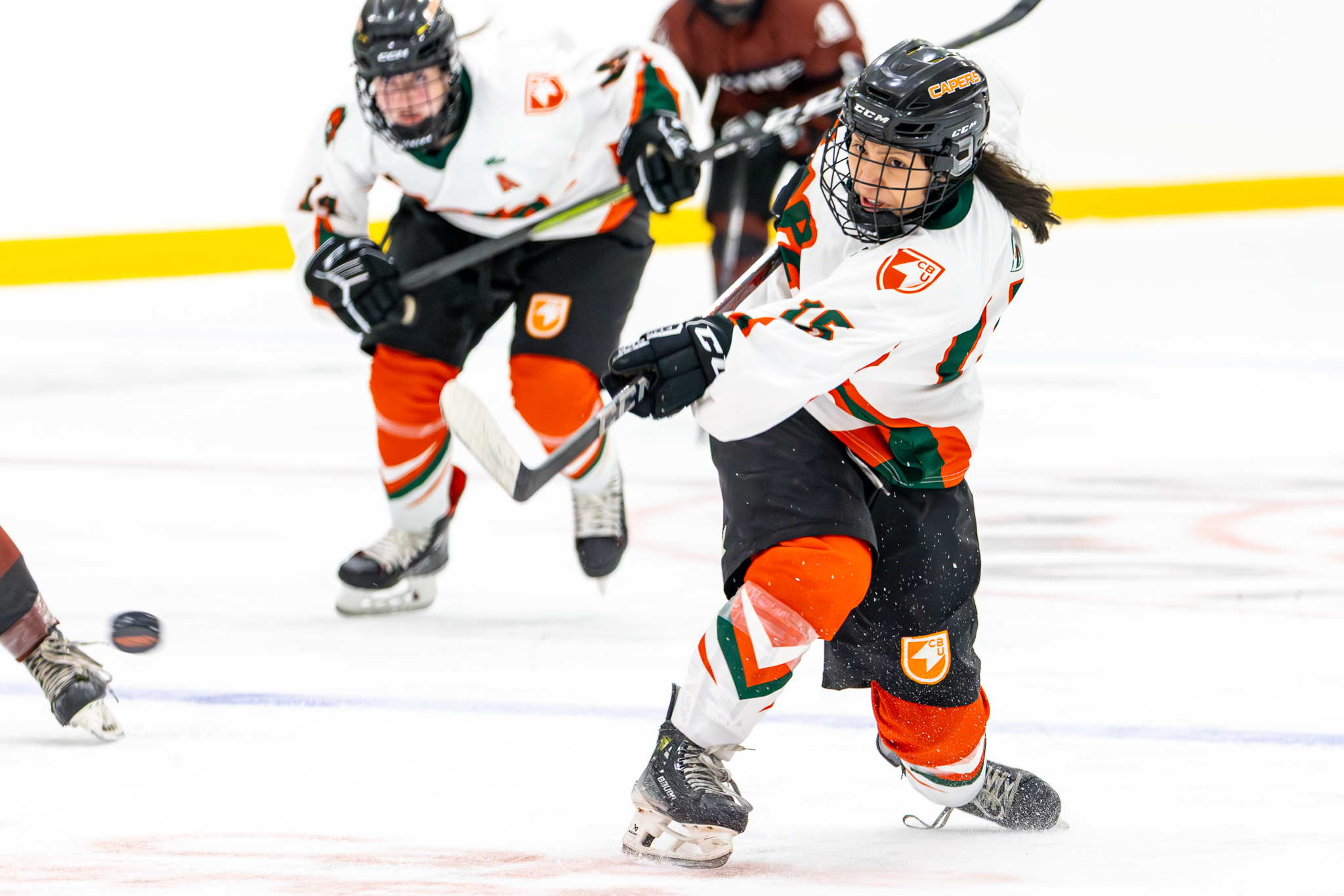
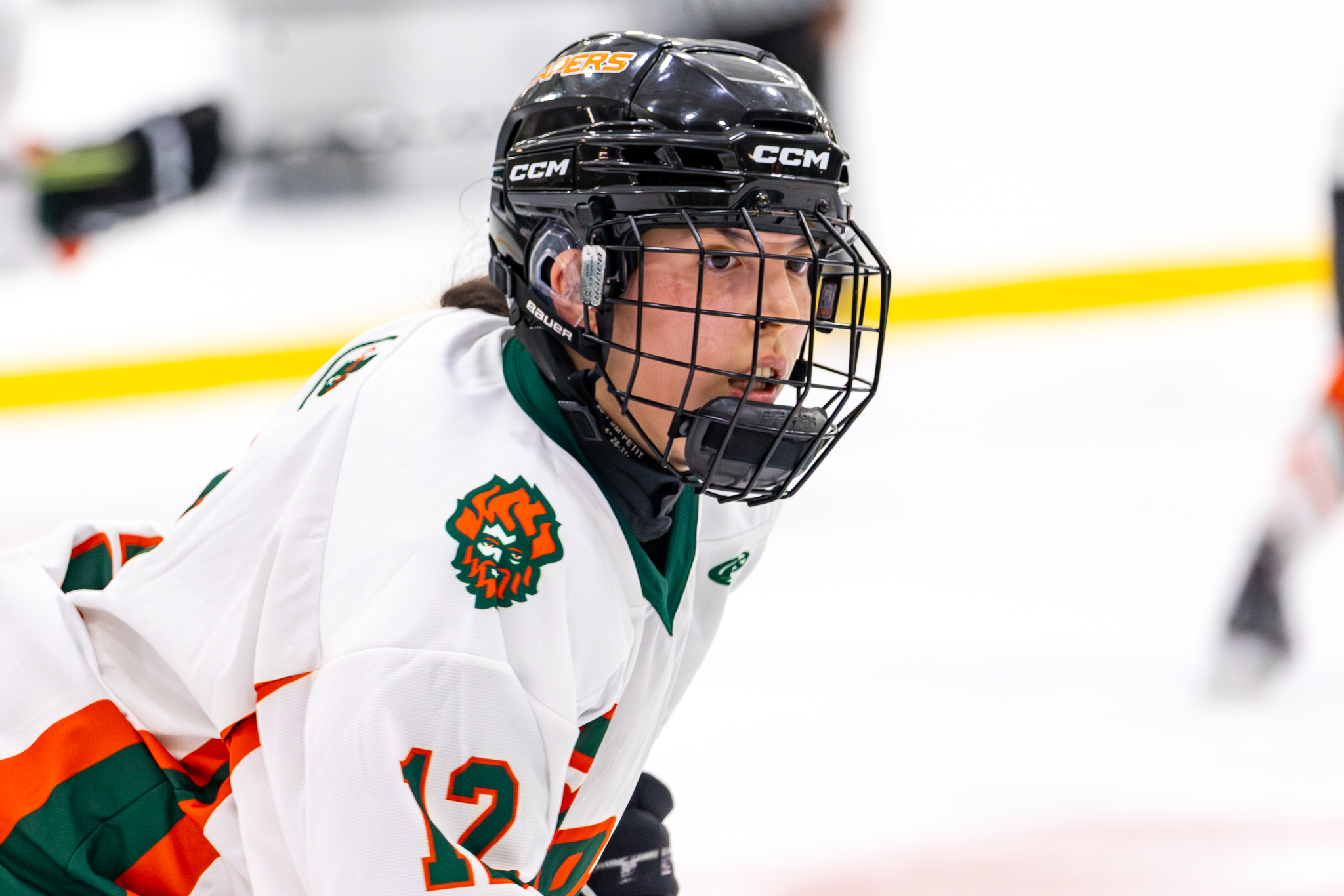
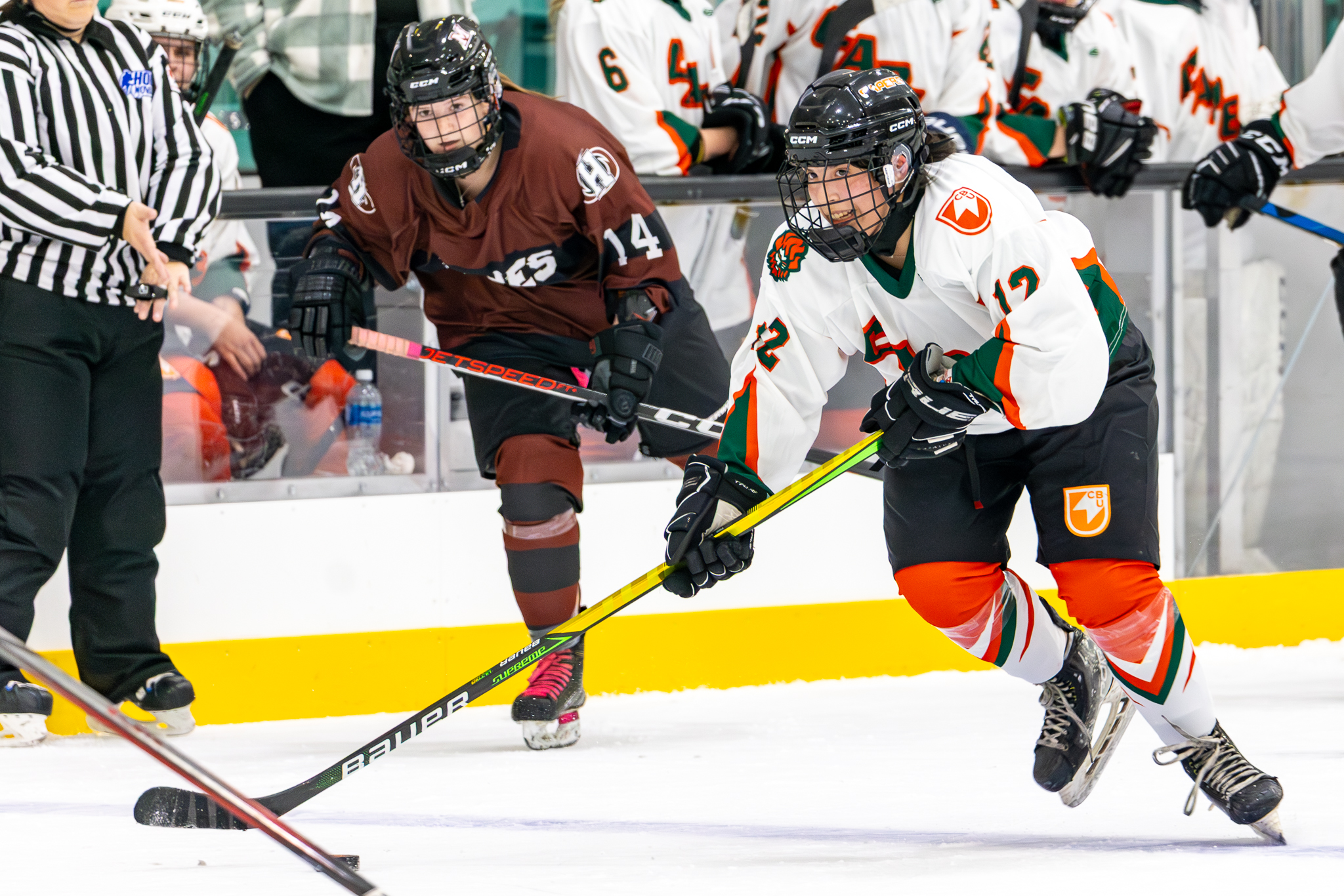
Those late-night skates at her home rink in Eskasoni helped shape Amira’s path, as well as her CAPERS linemate and 2nd year Mi’kmaq Studies student, Jeneva Marshall. Now, both lace up before dawn at Cape Breton University’s Kehoe Forum, The Home of Women’s Hockey, for early practice before class.
For Amira, the journey to CBU started when she was three or four years old.
“The first person who put a stick in my hands was my dad”
Amira says. “The one who always brought me to the rink, whether it was in a different province or just in Eskasoni. He basically taught me everything I know about hockey and he still teaches me to this day. All the little things he taught me still guide me during every game or practice.”
“From novice all the way to peewee, I always played boys hockey. When I was around 12, I made the decision to switch to girls’ hockey and played for the Blizzard for two years,” Amira says. “Jeneva and I played on all those teams together and ended up back playing together our senior year on the Lynx.”
Neither player was sure they’d get the chance to keep playing hockey after high school, as there aren’t many leagues for adult women. Jeneva says she’s grateful for the opportunity to keep studying and playing the game she loves, so close to the hockey community that raised her.
“Even though I’m not playing for an Eskasoni team now, when I suit up for the CAPERS I still feel like I’m representing Eskasoni,” Jeneva says. “I think for lots of people in Eskasoni, hockey is their life. They feel a lot of passion for it.”
Both describe growing up when being the only girl or only Mi’kmaw player on a team was normal.
“If you’re the only girl or Native person on your team, it motivates you,” Jeneva adds. “You want to be recognized for your skill and represent your community.”
Amira says this is why having L’nu women represented on the CAPERS is such a big deal.
“It feels really good to have us being a big part of such an amazing team,” Amira says. “I think it means a lot to the young L’nu girls being able to see someone like them playing for something like the CBU women’s hockey team.”
She quickly saw that impact firsthand.
“After our home opener, a young girl from Eskasoni came up to me and said she really enjoyed watching me and Jeneva play,” Amira says. “In the end, I just hope we are becoming good role models for the younger girls.”
Despite their journeys, neither Amira nor Jeneva considers themselves the start of the story. Both credit an earlier generation of L’nu women from Eskasoni, including their current assistant coach, for opening doors.
“My role models growing up were always Madison Gould, Levia Denny and Erin Denny,” Amira says. “I look up to them not only as hockey players, but also as great people off the ice. They were the reason I looked forward to going to the rink in Eskasoni every week.”
Jeneva echoes that sentiment.
“Growing up, my role models were Liv and her sister Erin,” Jeneva says, using assistant coach Levia Denny’s nickname. “It’s cool to be coached by Liv now after looking up to her so long. I still do.”
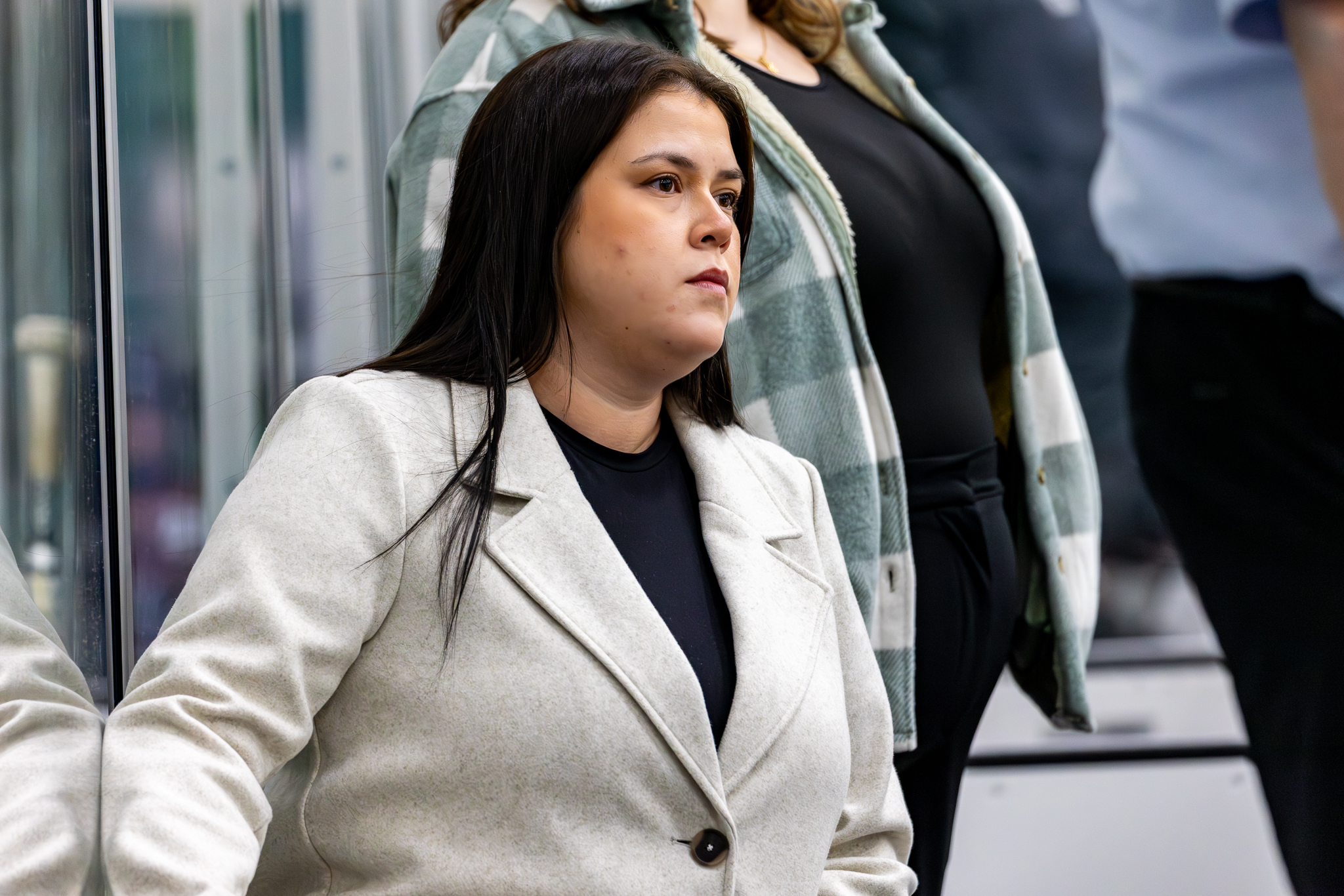
Levia Denny’s own path to the CAPERS’ bench started in that same rink in Eskasoni, wound through Cape Breton minor hockey, to CBU, winning league championships and finally ended behind the bench.
“I played for Derrick Hayes in minor hockey,” Denny says. “I was a student in 2019 when he called me and asked if I’d be interested in playing for the CAPERS, because he might be starting up a team. That year we won the championship.”
Afterward, Levia worked full-time with Eskasoni Sport and Recreation, earned her coaching certification and coached an all-girls, mostly Eskasoni-based Blizzard team. Running into CAPERS’ head coach, Derrick Hayes, again completed the circle.
“I told Derrick at the Membertou rink that I started coaching,” Levia says. “That night, he called and asked if I’d help with the team. I immediately said yes.”
Now, with two players from home on the ice, Levia finds coaching is about more than just strategy and statistics. She sees firsthand the power of representation and hopes young Indigenous girls recognize the pathway she, Amira and Jeneva have taken.
“It makes me feel proud, especially to watch Amira and Jeneva and see them do so well,” she says. “Representation really matters. For them to be playing and having Indigenous girls look up to them, they can think, ‘That could be me one day.’”
For Jeneva and Amira, representation means keeping a dual focus, winning on the ice and keeping the door open for the young players behind them. From the Dan K. Stevens Memorial Arena in Eskasoni First Nation to the Kehoe Forum at CBU, that’s how hockey towns grow: one young girl seeing herself in the players on the ice, then stepping into representation in their own skates and eventually behind the bench, to support the next generation.


